Playing card symbols are part of a world that feels familiar yet still full of questions. When we look at a standard deck, we rarely stop to think about how these tiny shapes came to be. Kids and adults use them in card games, math tricks, or even in art projects. But these shapes hold long stories. Some even reach back more than a century. Here, we will explore what these symbols meant in the past and how they still matter today. You might even notice these card symbols in places you never expected, from logos to video games. Strange how simple shapes can feel so big, right?
What Are Playing Card Symbols?
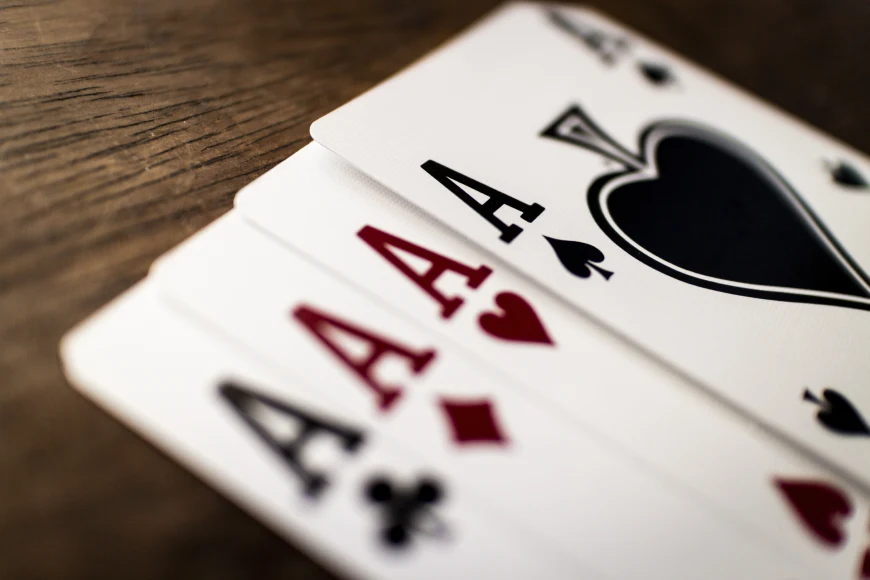
These symbols are the shapes printed on the 52 cards found in most decks. They include hearts, diamonds, clubs, and spades. These shapes help players tell suits apart and keep the game moving. But their purpose does not stop there. Each symbol carries a piece of history. Some came from European card makers who shaped the early look of modern cards. Some grew from older German suits that used acorn or leaf symbols.
In the context of playing cards, these icons also show how different regions added their own style. Today, you can find them in digital art, SVG images, or even vector icons used in apps. The more you look, the more you realize that every symbol carries its own form of symbolism. They might seem small, but they play a larger role than we often notice.
The Origins of Playing Card Symbols
The origin of these symbols goes back to the late 14th century, when early card sets began moving across different parts of the world. People used them for fun, learning, and sometimes to gamble. Early decks did not look like the ones we use today. Their shapes changed from region to region. Some used coins, swords, or cups. Others showed animals or plants.
Over time, card makers created designs that were easier to print and easier to recognize from far away. This helped players in noisy markets or crowded inns. The four suits we know today rose from that need for clear and simple shapes. And just like that, small symbols turned into a long tradition. Curious how something so ordinary started such a journey?
Meaning Behind the Four Playing Suits
All four suits carry ideas that reach beyond games. Each shape grew from real objects used in early times. Some shapes reminded people of tools or weapons. Others pointed toward money or life. These ideas shaped how people understood the cards. Many old stories and bits of culture added meaning over time. Some people even created their own interpretation of what each suit could symbolize. When you look at the four suits closely, you see how each one carries its own type of significance, even today.
Hearts (♥)
Hearts feel warm and gentle. They are often linked with feelings, care, and relationships. Many people say hearts also show wisdom because they remind us of choices guided by emotion. In some stories, the heart suit stood for the church or the people. Its pointed shape makes it stand out from the rest of the suits. Think of how often you draw a heart on a notebook. The shape is familiar across many ages and cultures. Some even believe hearts symbolize life itself. For example, a heart card in a story might represent friendship or loyalty. In another case, a heart could point toward family ties. No matter the context, hearts hold a sense of warmth that keeps them memorable.
Diamonds (♦)
Diamonds shine with bright meaning. They are often associated with wealth because they remind people of coins or valuable stones. In older card sets, a diamond shape sometimes stood for trade or money. Even today, many players connect diamonds with goals or rewards. The strong, clean lines of the symbol make it easy to spot on any deck. Diamonds can also symbolize hard work or effort since wealth usually comes from someone’s labor. For instance, a diamond card might appear in a magic trick, showing a lucky moment. Or in a story, it might stand for a chance to grow. That simple red shape carries a surprising amount of depth.
Clubs (♣)
Clubs show a shape that looks like a small plant. Some people compare it to an acorn or a clover. Long ago, clubs were tied to growth and nature. The shape also reminded people of tools used for farming. This gave the club suit a grounded meaning. It felt connected to work and the everyday tasks of life. Over time, clubs gained symbolic links to action or movement. For example, a club card could appear in a game to show a bold choice. In another scene, the club might stand for a strong beginning. Even though the shape is simple, its roots go deep into old stories and daily life.
Spades (♠)
Spades show a shape that looks sharp, almost like a turned-over heart with a stem. The pointed shape reminds some of a shovel or sword. In the past, spades stood for power or challenges. Some people saw them as symbols of conflict or decisions that had to be made. Others said the shape pointed upward, reaching for something higher. The spade suit also feels strong because of how bold the symbol looks on the card, such as in a story, a spade card might show a test someone must face. In a simple card trick, a spade might be the one card that leads to a surprise. Its meaning can shift depending on how you look at it.
Royal Faces: Kings, Queens, and Jacks as Class Symbols
Royal cards show faces that many players recognize right away. They are called court cards because they show people who might have belonged to a royal court. These characters include the king, queen, and jack. Their images became icons through time. Some decks even added a knight, though it is not common today. The royal faces grew from real social classes found in older cultures. Even though they are just drawings, they help us remember how society once looked. Their outfits, objects, and roles hint at class levels and social rules. Looking at these royal images can feel like looking into a tiny history book.
Kings
Kings show the highest level of power in the court cards. They stand for leadership and major decisions. Many stories connect kings to guidance or order. Some even compared the king of hearts to a leader who ruled with feeling rather than force. Kings have been part of card sets for many centuries. Their outfits reflect the theme of old royalty with crowns and robes. In games, a king often outranks lower cards, so players pay attention when one appears. The king carries a feeling of command even in simple card games.
Queens
Queens add balance and grace to the deck. They often symbolize influence, reason, or care. Their role feels important because queens held power in many cultures, even if their rules differed across regions. In early decks, queens replaced other symbols to add more variety. A queen card might bring a twist during a game or change the value of a hand. When you look closely, the queen’s image sometimes shows small hints about her role. Maybe a flower, a tool, or a crown. Each little detail adds more layers to her presence in the deck.
Jacks
Jacks are the youthful figures in the card set. They usually stand for action or quick thinking. Their position is below the queen and king, yet they still hold importance. Some people think of jacks as helpers in the royal court. Others see them as brave young characters who act when older members cannot. The jack adds energy to the list of court cards. In games, the jack can change the pace fast. Some old decks even showed the jack with a sword or coin to reflect skill or duty. Jacks keep the deck lively and full of motion.
Numerical Playing Cards Symbols
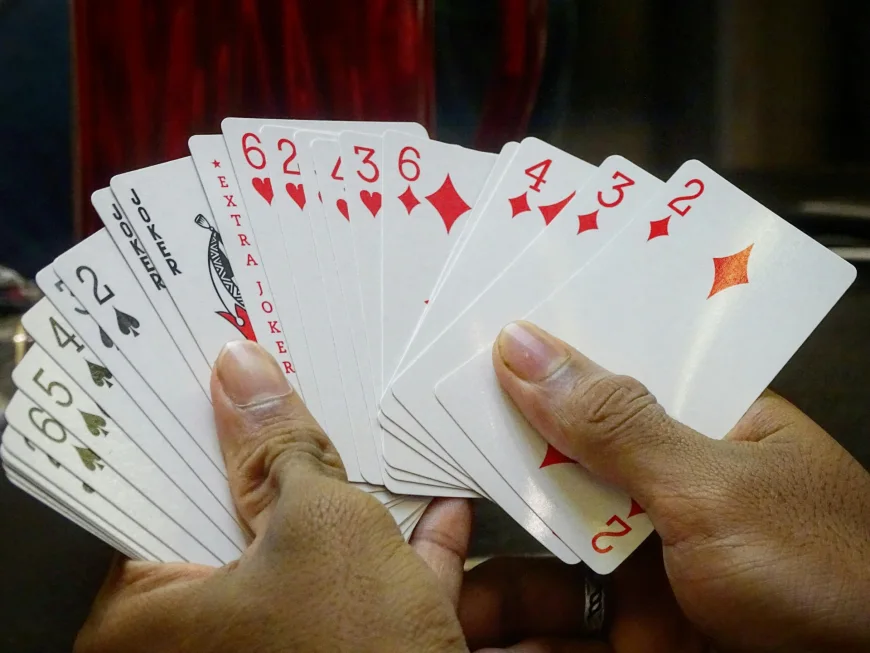
Below are the meanings often linked to the numbers on cards. These ideas grew from stories, traditions, and symbolic thinking passed down over time. Each meaning can shift depending on the situation or game, but many players enjoy knowing the extra layer behind each number.
1 – Ace
The Ace shows a fresh start. It stands for the beginning of something strong or important. Some people say the Ace represents a moment where a choice must be made. In many games, the Ace holds a special role. It can be the highest card or the lowest card, depending on the rules. This flexibility gives the Ace a sense of mystery. Some people see the Ace as a spark of courage or a new idea waiting to grow.
2 – Union
Two stands for partnership. It is a symbol of connection, trust, and sometimes teamwork. The number two appears in many stories as a pair supporting each other. It might stand for two friends, two paths, or two ideas joining together. In games, a card with the number two might help complete a pattern or balance a hand. The idea of union feels simple but carries a deep truth. People often rely on pairs in life.
3 – Faith
Three shows belief and trust. It can symbolize holding onto something even when unsure. The number three appears in many legends and traditions. Some see it as a steady and complete shape. In card meanings, three can point toward hope or determination. A card with the number three might remind someone to stay steady. It can also show the strength that comes from believing in a goal or plan.
4 – Satisfaction
Four stands for comfort and stability. It represents a place where someone feels safe. Many people think of four as a calm and grounded number. It feels steady like a table with four legs. In card meanings, four can remind someone of what they already have. It can also suggest taking a moment to look around and appreciate things. Satisfaction comes from knowing you have enough for now.
5 – Change
Five points toward movement. It symbolizes moments where things shift or take a new path. Many stories use the number five to show adventure or challenge. A card with the number five might show that a player needs to think in a new way. Change can feel exciting or confusing. But it also brings chances to grow. The number five carries that sense of motion.
6 – Adjustments
Six stands for balance and small corrections. It might symbolize fixing a mistake or shaping a new plan. Many people see the number six as a gentle number that brings things back in order. A card showing six can remind someone to slow down and adjust something. These adjustments can help create smoother results. Even tiny changes can make a big difference.
7 – Victory
Seven points toward winning or achieving something. It represents effort rewarded at the right moment. Many stories use the number seven as a lucky or powerful number. In card meanings, seven can show a time when success comes after hard work. A player who sees a seven might feel confident. Victory is not always loud or flashy. Sometimes, it comes quietly through steady work.
8 – Power
Eight stands for strength. It stands for control, focus, and steady force. Many shapes linked to eight look balanced, like two circles stacked. In card meanings, eight often hints at taking charge or stepping into a strong role. A card with eight can remind someone of their ability to solve problems. Power can be used wisely to help others or to stay firm during tough times.
9 – New Beginnings
Nine shows the end of one path and the start of another. It symbolizes a turn in the road. Many stories use nine to show a moment where something changes for good. A card showing nine can feel like a fresh breath. It might remind someone that the next step is ready. New beginnings can be scary, but they also bring chances that would never appear without change.
10 – Success
Ten stands for reaching a goal. It symbolizes a full circle. Many people see ten as the highest simple number, making it feel complete. A card with the number ten can show a moment where effort pays off. Success does not always mean winning a big prize. It can simply mean finishing something strongly. The number ten holds that final push that brings a plan to life.
Jokers
Jokers are special wild cards. They do not belong to any of the four suits. Some newer decks show them in bright colors or in PNG formats for digital games. Jokers often stand fo surprise or chaos. They can change a game’s outcome in a single move. Some people compare the Joker to a storyteller or trickster. This card reminds us that not everything follows the rules. And sometimes, that is exactly what makes a game fun.
The Evolution of Playing Card Suits
Playing card suits have changed over time. Early sets used swords, cups, or coins. Some decks showed animals or leaves, as mentioned. As cards spread across regions, creators changed symbols to match local habits. European card makers helped shape the standard deck we use today. The symbols needed to be easy to print, so simple shapes became popular. This shift helped cards move from small shops into everyday homes. Over the century, cards kept changing while still holding their original theme. When we look at them now, we see a mix of old ideas and modern style.
Hidden Stories Behind the Playing Suits for Poker Enthusiasts
Poker players often talk about deeper meanings behind the suits. Some look for symbolism in the shapes or patterns. Others study how suits appeared in early card games and how they changed. In poker, suits usually carry equal value, but their stories still attract attention. Hearts may feel warm. Spades might feel bold. Clubs may feel earthy. Diamonds may feel sharp. These small details help players enjoy the game even more. They connect the present game to a long line of history and culture that shaped every card.
FAQs
What was the first playing card suit?
The first playing card suits came from early decks used in Asia and later in parts of the Middle East. These suits were not the same as the ones we use today. Some early sets used symbols like coins, cups, and swords. Over time, the designs changed as the cards traveled to Europe. Different cultures shaped suits based on their own traditions. Even though the earliest suits looked different, they created the base for the systems we use now.
Where did playing cards first appear?
Playing cards first appeared in China many centuries ago. They began as simple sheets people used for games and sometimes for teaching. From there, travelers and traders carried them across regions. When the cards reached other cultures, the designs and meanings changed. Some regions added their own symbols, shapes, or colors. By the time the cards reached Europe, they had shifted many times. This long journey led to the 52 cards we know today.
Are there hidden secret codes in card symbols?
Many people enjoy looking for hidden meanings in the shapes or numbers on cards. Some older decks did include small marks to help makers identify their work. Others used art that held cultural symbolism. But most modern decks do not hide secret codes. The symbols we see today mainly serve to help players recognize suits and values. Even so, people sometimes enjoy giving their own interpretation to the cards during games or stories.
Are Poker cards and playing cards related?
Yes, poker cards and standard playing cards are closely related. Most poker games use the same 52-card format found in a normal deck. The suits, values, and court cards match across both uses. What changes is the style or design that some poker decks use. These designs may help players read the cards faster. Even with different looks, the basic system stays the same. This connection makes it easy for players to switch between poker and other card games.